What is Geogrid and How Does Geogrid Work?
Blog · 2025-08-18 · 0 views
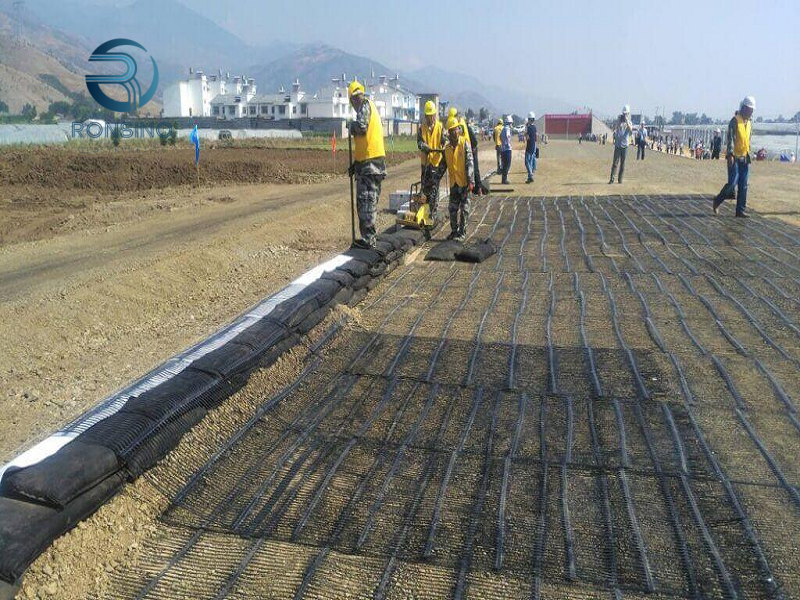
In the field of contemporary civil engineering and large-scale infrastructure, foundation stability and soil improvement are the keys to determining the quality and longevity of the project. With the advancement of geosynthetic materials science, geogrids, as high-strength structural reinforcement materials, have been widely used in key projects such as transportation, railways, water conservancy, dams, aviation, ports, and mining.
As part of RONSINO’s international trade team, we not only supply high-quality geogrid products to clients worldwide but also provide tailored engineering solutions for diverse applications.
1.Basic Concept of Geogrid
1.1 Definition
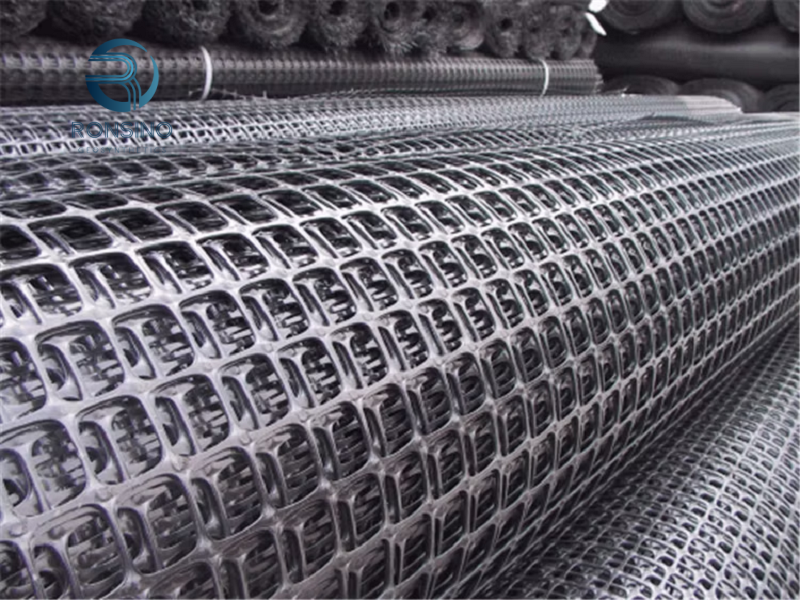
A geogrid constitutes a grid-shaped assembly fabricated from advanced polymeric substances, including polypropylene (PP), high-density polyethylene (HDPE), or polyester (PET). It demonstrates remarkable tensile durability and superior resistance to long-term deformation, effectively confining soil or additional granular fillers within its interconnected openings to augment overall structural integrity and load distribution capabilities.
Its core function is reinforcement—transferring stress, dispersing loads, and limiting soil displacement through its grid structure, thus improving structural stability and deformation resistance.
Main functions include:
Separation: Prevents intermixing of different particle sizes in fill materials.
Confinement: Locks soil particles to reduce lateral displacement.
Reinforcement: Enhances foundation bearing capacity and reduces settlement.
Drainage (for certain types): Facilitates water discharge to lower pore water pressure.
1.2 Development History
Geogrid technology originated in the 1970s, when the British company Netlon pioneered the polymer mesh structure. In the early 1980s, the American company Tenax commercialized unidirectional geogrids and promoted technological development. Advances in materials science and production technology have significantly improved the performance of geogrids and continued to expand their applications into many engineering fields.
2.Main Types of Geogrids
2.1 Uniaxial Geogrid
Manufacturing: Produced by punching, heating, and stretching PP or HDPE sheets in a single direction.
Features: High tensile strength in the longitudinal direction, low elongation; ideal for single-direction load-bearing projects.
Applications: Retaining wall reinforcement, slope stabilization, and foundation load improvement.
2.2 Biaxial Geogrid
Manufacturing: Similar to uniaxial but stretched in both longitudinal and transverse directions.
Features: Balanced strength in both directions, suitable for multidirectional stress.
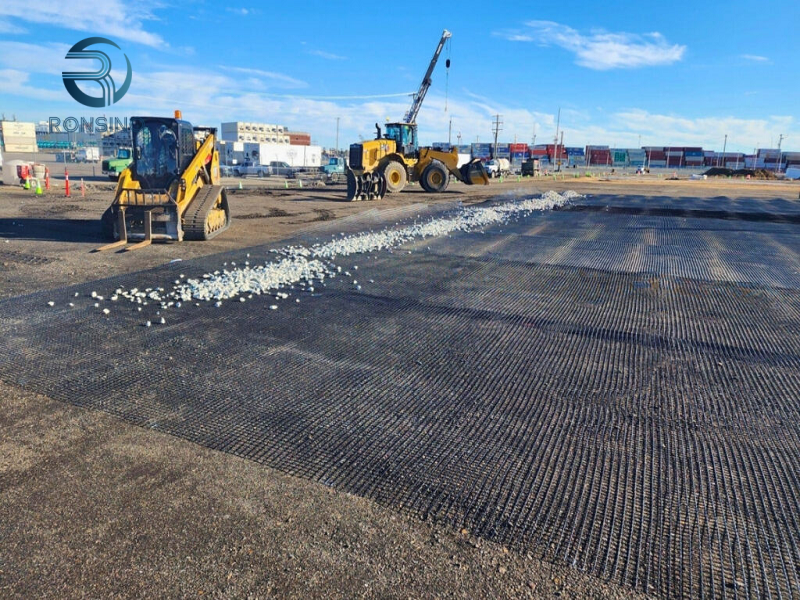
Applications: Road and railway subgrade reinforcement, airport runways, and port yards.
2.3 Steel-Plastic Geogrid
Manufacturing: High-strength steel wires encased in polymer materials, processed by welding or molding.
Features: Extremely high tensile strength, corrosion resistance, suitable for long-term heavy load conditions.
Applications: Mine tunnel support, heavy-duty platforms, and heavy-haul railway subgrades.
2.4 Polyester Geogrid with PVC/Bitumen Coating
Manufacturing: Woven from high-strength polyester yarns and coated with PVC or bitumen.
Features: High tensile strength, excellent creep resistance, chemical resistance.
Applications: Soft soil foundation reinforcement, pavement overlay reinforcement, and bridge abutment protection.
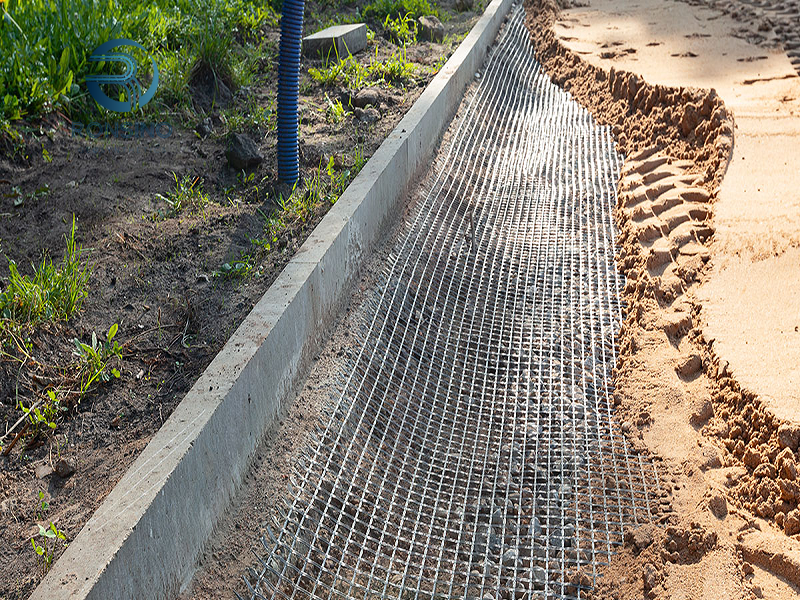
2.5 Fiberglass Geogrid
Manufacturing: Woven from glass fibers, coated with bitumen or PVC.
Features: High tensile modulus, excellent high-temperature resistance, superior aging resistance.
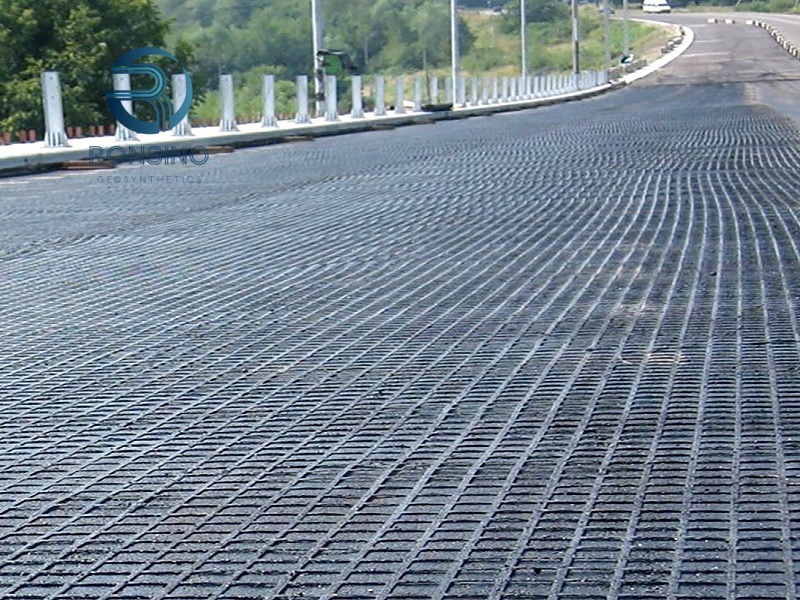
Applications: Asphalt pavement reinforcement, crack prevention, and reflective crack control.
3.Characteristics and Performance Indicators
3.1 Physical Properties
Aperture Size & Shape: Square, rectangular, and honeycomb designs are common. Sizes vary from a few centimeters to several tens of centimeters, chosen based on project needs.
Thickness & Weight: Thicker grids generally offer higher stiffness and strength but also increase material cost and installation complexity.
Surface Properties: Surface roughness and friction affect interaction with fill material. Some geogrids are embossed or coated to enhance friction.
3.2 Mechanical Properties
Tensile Strength: Ranges from tens to hundreds of kN/m depending on application requirements.
Elongation at Break: Low elongation is preferred for stable reinforcement performance.
Junction Strength: Critical for welded or woven grids, determining overall integrity.
Creep Resistance: Ensures long-term stability under sustained load.
3.3 Environmental Resistance
Chemical Resistance: Essential for acidic, alkaline, or saline soil conditions.
UV Resistance: Enhanced by UV stabilizers or protective coatings.
Temperature Resistance: Maintains performance in extreme hot or cold climates.
3.4 Testing Standards
Common standards include ASTM, ISO, and GB, covering tensile tests, junction strength, creep testing, and UV resistance tests.
4.Application Fields
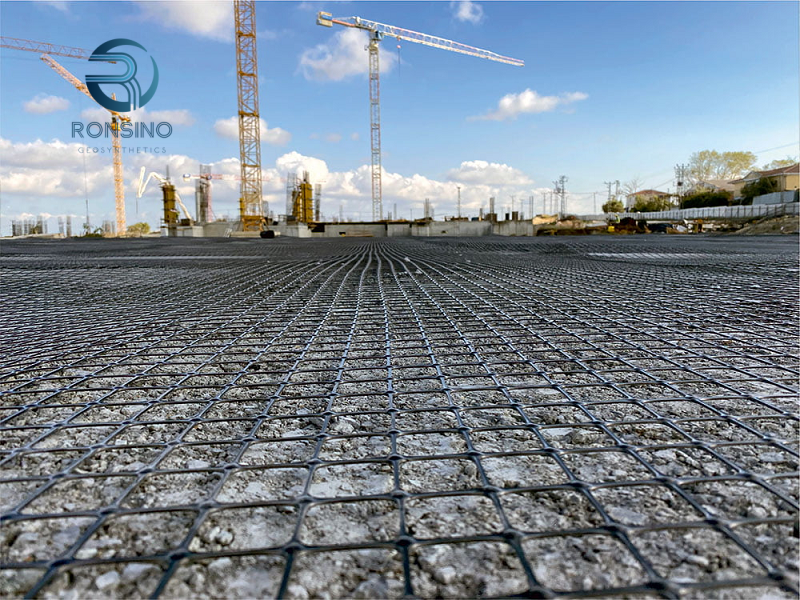
4.1 Highways & Railways
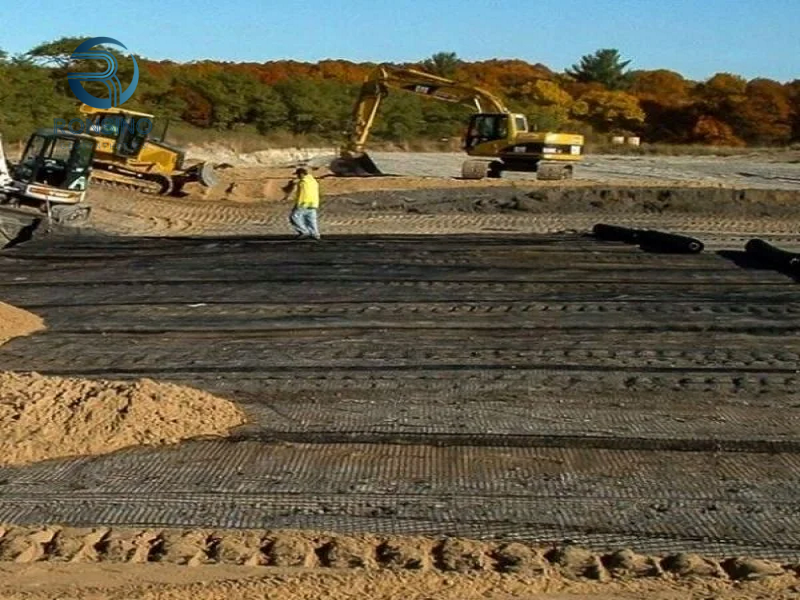
Subgrade reinforcement to reduce settlement and improve bearing capacity.
Rut prevention and deformation control in asphalt pavements.
Extended service life of roads.
4.2 Water Conservancy & Dams
Dam base reinforcement for overall stability.
Erosion control in combination with geotextiles or geomembranes.
4.3 Ports & Harbors
Yard reinforcement for heavy equipment operations.
Prevention of fill material loss.
4.4 Slopes & Retaining Walls
Slope protection against landslides and collapses.
Retaining wall reinforcement for higher load capacity.
4.5 Mining & Industrial Sites
Heavy-duty road reinforcement for mining trucks and equipment.
Stabilization of tailings and waste piles.
5.How to Select the Right Geogrid
5.1 Define Project Requirements
Load type (uniaxial or biaxial).
Bearing capacity requirements.
Environmental conditions (pH, temperature, moisture).
5.2 Choose the Right Type & Material
Soft soil: Coated polyester geogrid.
Heavy-duty roads: Steel-plastic geogrid.
High-temperature areas: Fiberglass geogrid.
5.3 Check Key Technical Indicators
Tensile strength (kN/m).
Elongation (%).
Junction strength.
Aging and corrosion resistance.
6.Construction Techniques & Precautions
6.1 Pre-Construction
Site Preparation: Remove vegetation, roots, sharp objects; level ground; pre-load or replace soft foundation if necessary.
Material Inspection: Check certificates, appearance, and test reports.
Construction Plan: Define layout, overlaps, fill materials, compaction requirements, and work sequence.
6.2 Installation
Direction: Uniaxial grids aligned with the primary stress direction; biaxial grids along the project axis.
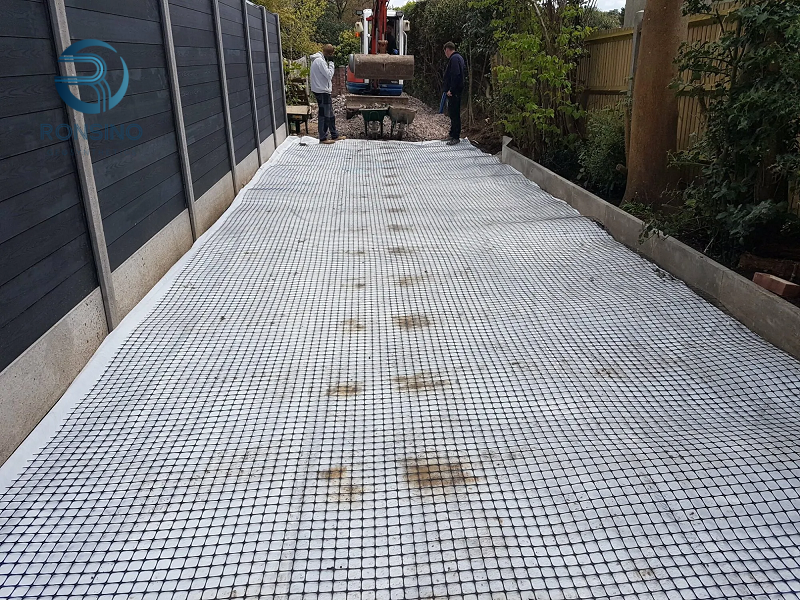
Method: Unroll manually or mechanically; avoid wrinkles; apply tension; fix temporarily with U-pins.
Overlap & Connection: 30–50 cm overlap or use connectors; sew if applicable.
6.3 Filling & Compaction
Filling: Match aggregate size to grid aperture; use well-graded, compactable material; avoid organic or corrosive fills.
Spreading: Evenly from the center outwards; avoid direct heavy machine traffic; initial cover layer 30–50 cm.
Compaction: Start with light equipment; follow “light to heavy” principle; control thickness to avoid damage.
6.4 Special Sections
Slopes: Lay perpendicular to slope; leave wrap-around length; connect layers securely.
Structures: Provide sufficient anchorage length; ensure smooth transitions.
Variable Foundations: Use different specs for transition zones; enhance connections; add buffer layers if needed.
6.5 Quality Control & Acceptance
During Installation: Check placement, overlaps, and fill quality.
Final Inspection: Verify documents, test reports, and conduct load tests if necessary.
Common Issues: Replace damaged grids; correct insufficient overlaps; recompact as needed.
7.RONSINO Advantages
As a professional geosynthetics supplier in China, RONSINO offers one-stop solutions from R&D and production to export:
Product Variety: Uniaxial, biaxial, steel-plastic, fiberglass, and coated polyester geogrids.
International Standards: Compliant with ASTM, ISO, and EN standards.
Customization: Tailored specs and packaging for specific project needs.
Global Delivery: Exported to over 60 countries across Asia, Europe, the Americas, and Africa.
Technical Support: Selection guidance, construction solutions, and after-sales service.
8.Conclusion
Owing to its robustness, resilience, and economic efficiency, geogrid has emerged as a pivotal reinforcement component in contemporary engineering. Spanning applications such as pavement reinforcement, embankment consolidation, and demanding scenarios within hydraulic and maritime infrastructures, it assumes a fundamental significance.
RONSINO remains committed to delivering superior geogrid solutions and comprehensive engineering services to international clientele, ensuring that infrastructure developments achieve enhanced safety, extended longevity, and greater cost-effectiveness.
If you are looking for a reliable geogrid supplier, contact our sales team anytime for the latest pricing and technical support.