Geomembrana Liner for Heap Leach ponds in Peru
Blog · 2025-09-01 · 0 views
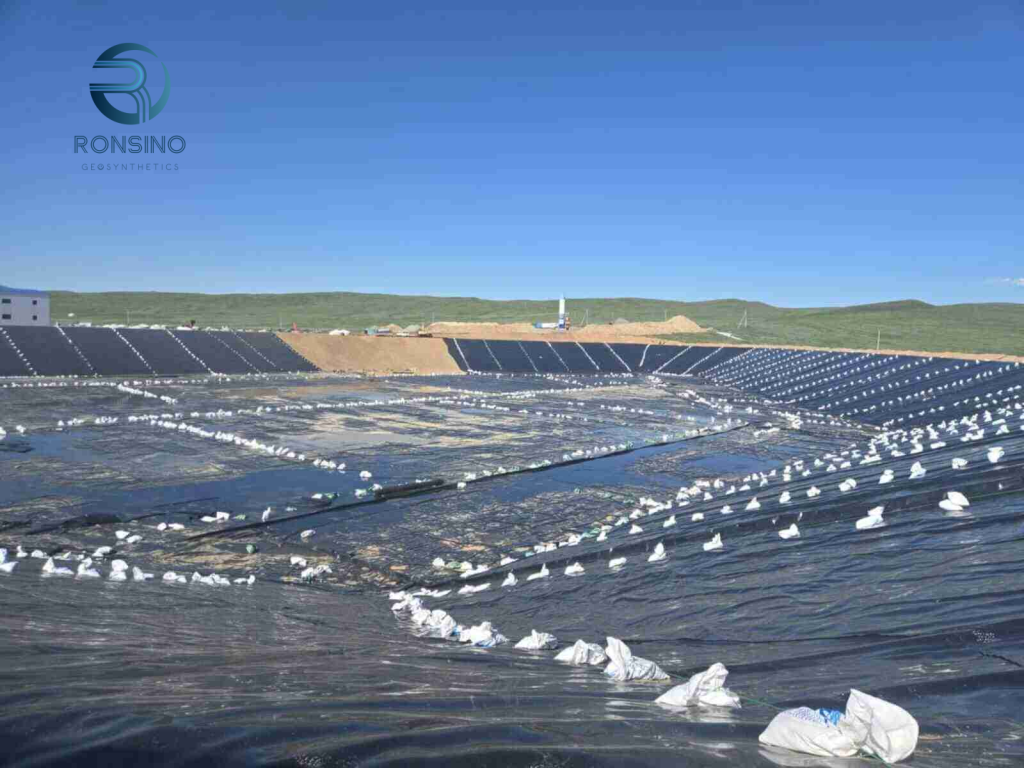
Geomembrana liner, also known as geomembrane liner, is a thin, flexible sheet made from high-density polyethylene resin. It is renowned for its exceptional chemical resistance, durability, and impermeability. This HDPE geomembrane liner finds extensive use in geotechnical and environmental applications, primarily serving as an anti-seepage solution. By forming a barrier, HDPE geomembrana effectively prevents the migration of liquids or gases through soil or substrate, safeguarding the surrounding environment and infrastructure.
1.What Is A Geomembrana Liner?
A geomembrana liner, typically made of synthetic polymers, acts as a barrier against fluid, gas, and contaminant migration in structures and systems. These thin, flexible sheets or membranes are commonly composed of HDPE(High-Density Polyethylene) resin. HDPE geomembrana liners are highly regarded for their exceptional chemical resistance, durability, and impermeability.
Geomembrana liner is extensively used in geotechnical and environmental applications, primarily as anti-seepage measures. By creating a reliable barrier, HDPE geomembrana effectively prevents the movement of liquids or gases through soil or substrate, ensuring the protection of the surrounding environment and infrastructure. With their outstanding properties, HDPE geomembrana liners are a trusted solution for various containment needs.
Common materials used for geomembrana liners include:
1.1 LDPE(Low-Density Polyethylene)
LDPE geomembranes offer good flexibility and are often used in applications where conformability to irregular surfaces is required. They are suitable for small ponds, lagoons, and secondary containment systems.
1.2 HDPE(High-Density Polyethylene)
HDPE geomembranes are widely used due to their excellent chemical resistance, durability, and UV stability. They are commonly employed in landfill liners, mining applications, and water containment systems.
1.3 PVC(Polyvinyl Chloride)
PVC geomembranes are known for their chemical resistance and are often used in applications involving exposure to acidic or alkaline environments. They are utilized in landfill liners, mining projects, and industrial ponds.
1.4 EPDM(Ethylene Propylene Diene Monomer)
EPDM geomembranes offer excellent resistance to UV radiation, ozone, and weathering. They are commonly used in decorative pond liners, water features, and roofing applications.
1.5 LLDPE(Linear Low-Density Polyethylene)
LLDPE geomembranes possess enhanced flexibility and puncture resistance compared to LDPE. They are commonly used in applications such as landfill liners, wastewater treatment ponds, and agricultural pond liners.
1.6 PP(Polypropylene)
PP geomembranes exhibit high chemical resistance and are suitable for applications involving aggressive chemicals. They are used in secondary containment systems, chemical storage facilities, and industrial ponds.
Geomembrana liners are installed as part of engineered containment systems to ensure the integrity and long-term performance of structures such as landfills, ponds, reservoirs, and industrial facilities. They provide a reliable barrier against fluid migration, protecting the environment and human health.
2.What Is Benefits of Geomembrana Liner?
Geomembrana liners offer several benefits in various applications. Some of the key advantages include:
2.1 Leakage Prevention
Geomembrana liners act as an impermeable barrier, effectively preventing the migration of fluids, gases, or contaminants. This helps in maintaining the integrity of structures and systems, such as landfills, ponds, and containment facilities.
2.2 Excellent Chemical Resistance
Geomembrana liners, particularly those made of materials like HDPE, exhibit exceptional resistance to a wide range of chemicals. This makes them suitable for applications involving exposure to hazardous substances, such as in industrial settings or waste containment.
2.3 Good UV Resistance
Many geomembrana liners are designed to withstand prolonged exposure to ultraviolet (UV) radiation without significant degradation. This ensures long-term performance and prevents premature failure due to UV exposure.
2.4 Durability
Geomembrana liners are known for their durability. They are designed to withstand environmental stresses, including temperature variations, mechanical forces, and chemical attacks. This durability ensures the longevity and reliability of the liner in demanding applications.
2.5 Long Lifespan
Geomembrana liners can have a lifespan of up to 50 years or more, depending on the material and the specific conditions of the application. This long lifespan reduces the need for frequent replacements and contributes to cost-effectiveness over the lifespan of the project.
These benefits make geomembrana liners an essential component in many industries, providing reliable containment, protection against leaks, and long-term performance in a wide range of applications.


