HDPE Plastic Liner for Biogas Digester in Nepal
case · 2025-10-15 · 0 views
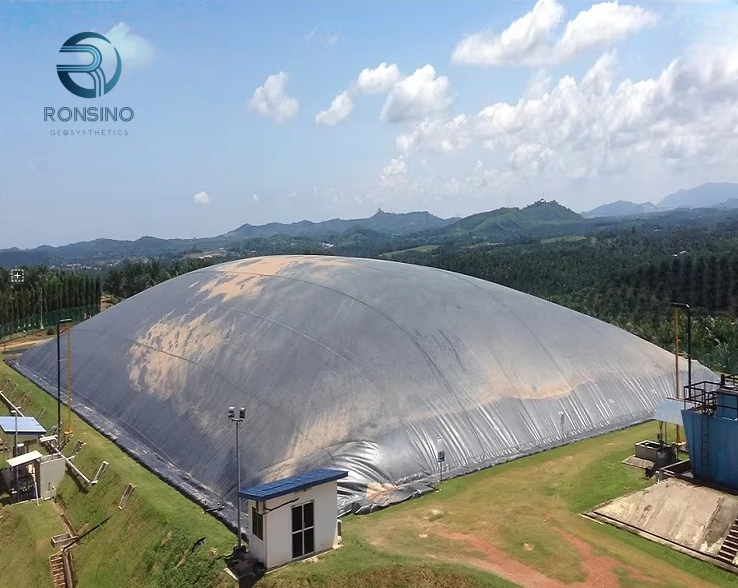
HDPE geomembrane, or HDPE Plastic Liner, acts as an impermeable barrier to effectively prevent the penetration of water, harmful substances (such as radon, carbon dioxide, methane) and corrosives. With excellent environmental degradation resistance and waterproof performance, it is widely used in containment systems in various industries, covering water resources management, oil and gas operations, agriculture and aquaculture, etc. This article will explore its definition, core advantages and practical applications, and analyze it with case studies.
1.What Are Advantages of of HDPE Plastic Liner for Biogas digester Project?
The use of HDPE Plastic Liner in biogas digester projects in Nepal offers several advantages:
1.1 Cost Savings
High-density polyethylene (HDPE) geomembranes facilitate significant economic advantages by supporting the efficient biological decomposition and anaerobic digestion of organic waste within sealed containment systems. This innovative approach minimizes dependence on conventional wastewater management infrastructures, thereby substantially decreasing expenditure related to effluent processing charges and routine facility maintenance expenditures for the overall operation.
1.2 Pollution Prevention
HDPE geomembranes impermeability prevents seepage of harmful substances from anaerobic digesters, safeguarding downstream water resources, especially groundwater. This protects drinking water supplies, thereby enhancing public health and community welfare.
1.3 Construction Efficiency
HDPE anti-seepage membrane technology has brought innovative breakthroughs to traditional biogas digester construction materials. The use of impermeable geomembrane materials significantly reduces reliance on traditional building materials. This move not only effectively reduced construction costs, but also successfully alleviated problems such as material shortages and high prices. The lightweight and flexible nature of HDPE geomembrane further improves construction efficiency and enables a faster and more efficient installation process.
1.4 Durability and Longevity
1.5 Environmental Sustainability
Through the effective containment of hazardous materials and contaminants, HDPE geomembranes play a pivotal role in fostering long-term environmental health. These advanced liners facilitate the secure handling and controlled disposal of biogas digestate residues, significantly reducing the potential for groundwater and soil contamination. This approach not only enhances the ecological viability of biogas generation systems but also maintains the natural balance and stability of the surrounding ecosystem.
The use of HDPE plastic lining in the biogas digester project in Nepal can not only reduce costs, protect the environment, and improve construction efficiency, but also enhance the long-term sustainability of the project, help the country achieve renewable energy goals, and promote the improvement of the ecological environment.
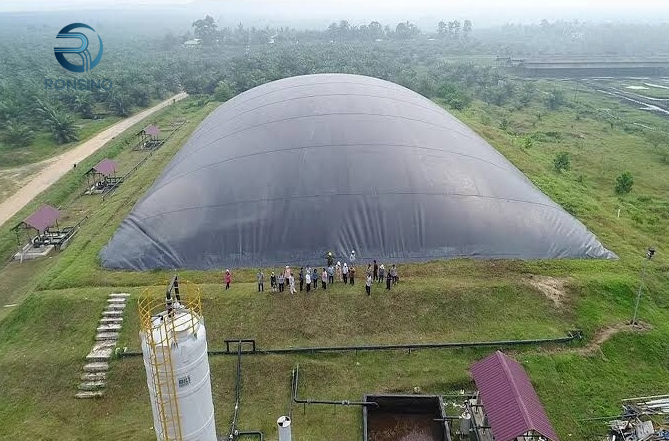
2.What Are HDPE Plastic Liner?
High-density polyethylene (HDPE) geomembrane is a synthetic anti-seepage material made of high-density polyethylene, a thermoplastic polymer. HDPE is highly regarded for its excellent mechanical properties, durability and resistance to chemical corrosion. Geomembranes based on HDPE have been widely used in geotechnical engineering and environmental protection fields. Their main function is to achieve effective isolation to prevent the migration and spread of liquids or pollutants.
High-density polyethylene geomembrane plays a vital role in the field of environmental protection. It can effectively prevent harmful substances from penetrating into soil or groundwater. This type of material is widely used in many fields such as garbage disposal, landfills, mining engineering and agricultural projects, providing reliable protection for the ecological environment.
Geomembranes serve as dependable impermeable layers, adeptly segregating and confining fluids or vapors. They exhibit outstanding fortitude against perforations, ruptures, and ultraviolet rays, guaranteeing sustained operational efficacy and structural soundness. Their superior tolerance to chemical substances enables them to endure prolonged contact with diverse materials without experiencing deterioration, rendering them ideal for deployment across an extensive spectrum of ecological settings.
In geotechnical applications, HDPE Plastic Liner are used for slope protection, erosion control, and soil stabilization. They offer stability and reinforcement to structures, minimizing soil erosion and improving overall durability.
High-density polyethylene geomembranes serve as essential construction materials, offering robust containment, safeguarding ecological integrity, and delivering geotechnical stability. Their remarkable characteristics establish them as a premier material for diverse applications demanding dependable, enduring, and eco-resilient solutions.
3.CASE Study of RONSINOHDPE Plastic LinerNepal for Biogas Digester Projects
RONSINO HDPE Plastic Liners have proven to be highly effective in biogas digester initiatives across Nepal, delivering substantial advantages while tackling pressing ecological issues. The contamination caused by poultry farming poses a major threat, adversely affecting water quality and impeding the long-term viability of livestock operations. In response to this challenge, the adoption of the "anaerobic digestion" method has been implemented, resulting in excessive strain on wastewater management systems and the urgent requirement for innovative remedies.
RONSINO high-density polyethylene (HDPE) geomembrane provides an excellent solution for biogas digester projects. It serves as a reliable anti-seepage barrier and effectively blocks the risk of pollutants leaking into the environment. These membranes efficiently handle mixed manure, ensuring waste is properly handled and safely contained. With its excellent durability, solid structure and strong resistance to chemicals and UV radiation, RONSINO HDPE geomembranes are perfectly adapted to the harsh working environment of biogas digester projects. They not only help pollution prevention and control, but also effectively promote the practice and development of sustainable agriculture.
Biogas digester initiatives benefit significantly from the incorporation of HDPE Plastic Liners. Crafted from high-density polyethylene (HDPE), the sleek geomembrane integrates carbon black, antioxidants, anti-aging additives, and UV-resistant elements, providing superior protection against ultraviolet rays and proving ideal for applications requiring direct exposure.
Biogas projects lined with high-density polyethylene (HDPE) geomembrane are a sustainable alternative to fossil fuels. This material has become the key to biogas projects due to its excellent anti-aging, acid and alkali corrosion resistance and anti-rat bite properties. The biogas pool constructed by it can expand the fermentation volume, extend the residence time of wastewater, increase biogas production, and reduce operating costs. It is suitable for large farms and the integrated model of "biogas pool + manure treatment", while saving fertilizer expenses.
The incorporation of high-density polyethylene (HDPE) geomembrane into anaerobic digestion systems guarantees the hermetic closure of biogas reactors. This method facilitates straightforward and economical implementation, alongside hassle-free operational oversight and upkeep, prolonged hydraulic retention periods, enhanced organic breakdown efficiency, and superior impermeability characteristics. The utilization of HDPE liners in biogas digesters effectively mitigates concerns such as fluid infiltration, unintended leaks, and vapor escape due to thermal fluctuations, while also addressing complications linked to chemical degradation, pipeline obstructions, and elevated operational expenditures commonly encountered in alternative biogas infrastructure.
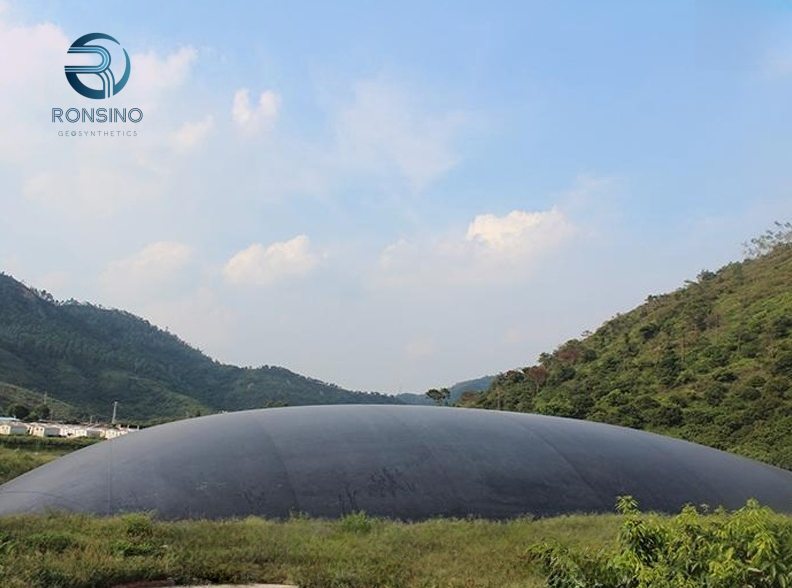
A Nepali customer commissioned RONSINO to build a biogas digestion system to process livestock and poultry waste. The plan uses ASTM standard HDPE geomembrane, with a main layer of 2mm anti-UV film and a lower layer of 1.5mm ASTM film. The co-extrusion process improves performance and meets anti-seepage and environmental protection needs.
Specifications – 1.5mm (bottom lining), 2mm (Cover)
Each Roll Size – 5.8*50m
Quality -81200㎡
4.Summary
High-density polyethylene (HDPE) waterproof membrane is an impermeable barrier material made of high-density polyethylene as the main component and supplemented by a variety of additives. It has excellent resistance to environmental stress cracking, chemical corrosion resistance, wide temperature range adaptability, and long service life. This membrane is widely used in biogas digesters, tailings ponds, dam anti-seepage and subway projects, etc. It is an ideal containment and waterproof material.
Since its establishment in 2007, RONSINO has been committed to providing one-stop geosynthetic materials products and services to customers around the world. The company has supplied a variety of efficient and cutting-edge product solutions such as geomembranes, geotextiles, geocells, bentonite waterproof blankets (GCLs), drainage boards and geogrids to more than 81 countries.
RONSINO is not only manufacturing best quality geosynthetic products but also providing professional design and installation service. OEM, ODM, custom development and fabrication are also available. If you have any questions or inquiries, please contact us, we will reply as soon as possible.


