Biaxial Plastic Geogrid for Road Construction in Peru
Case · 2025-08-22 · 0 views
RONSINO two-way plastic geogrid is made of polypropylene resin as raw material and made through advanced extrusion technology. It can disperse stress in multiple directions and enhance the strength and load-bearing capacity of soil structures. As a cost-effective ground reinforcement solution, it can significantly improve the durability and reliability of transportation infrastructure and slope engineering, and extend its service life.
1.What is Biaxial Plastic Geogrid?
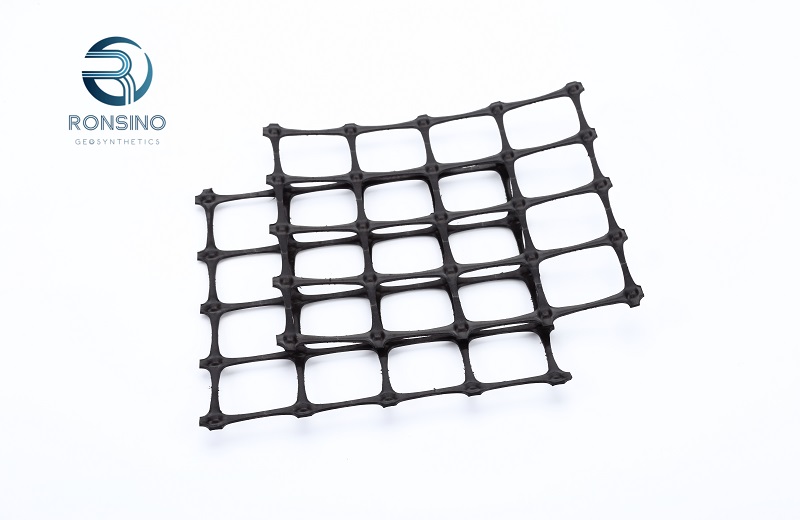
Biaxial plastic geogrid is a multifunctional geosynthetic material that is widely used in the fields of civil engineering and construction. This product is extruded from high-density polyethylene (HDPE) or polypropylene (PP) polymer to form a sheet, which is then punched and stretched in both longitudinal and transverse directions. This biaxial stretching process significantly improves the material's mechanical properties and durability.
Application
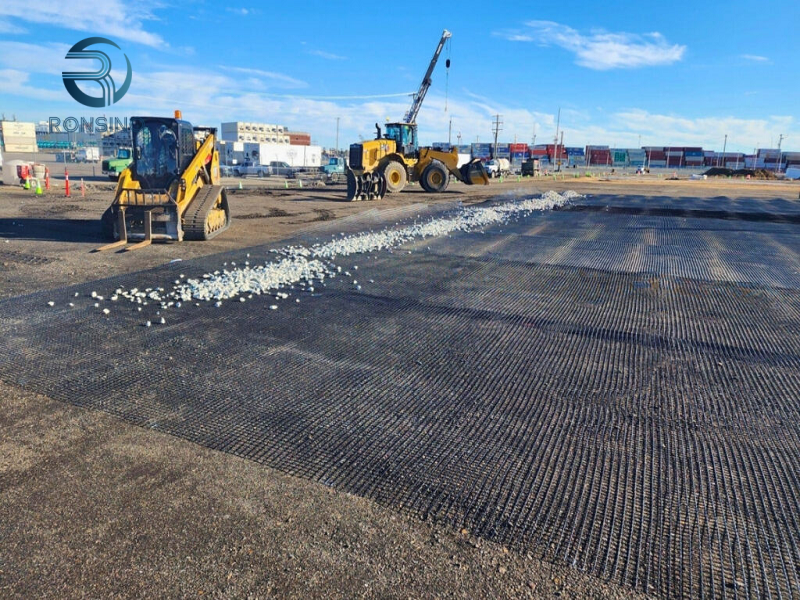
The primary function of Biaxial Plastic Geogrid is to deliver enhanced structural support and reinforcement to diverse soil-based frameworks. It is extensively utilized in the fortification of embankments and road substrates, safeguarding of slopes, reinforcement of retaining walls, and stabilization of foundations for extensive infrastructure including airports, parking facilities, and cargo terminals. By integrating this material, the load-bearing capability of pavement or ground substrates is significantly augmented, thereby extending their operational longevity. It mitigates the occurrence of surface subsidence or fracturing while preserving a clean and visually appealing surface integrity.
Advantages
2.What Is Biaxial Plastic Geogrid Used for?
Biaxial plastic geogrid is used in various civil engineering and geotechnical applications for soil reinforcement and stabilization. It is a high-strength geosynthetic material that consists of intersecting ribs or grids, forming a grid-like structure. Here are some common uses of biaxial plastic geogrid:
2.1 Retaining Walls
Biaxial plastic geogrid is frequently employed in the erection of retaining walls to augment the structural integrity and load-bearing capacity of the system. It is strategically embedded within the soil strata to effectively manage and counteract the horizontal pressures generated by the backfill, thereby averting potential wall collapse and minimizing settlement.
2.2 Slope Stabilization
2.3 Road and Pavement Construction
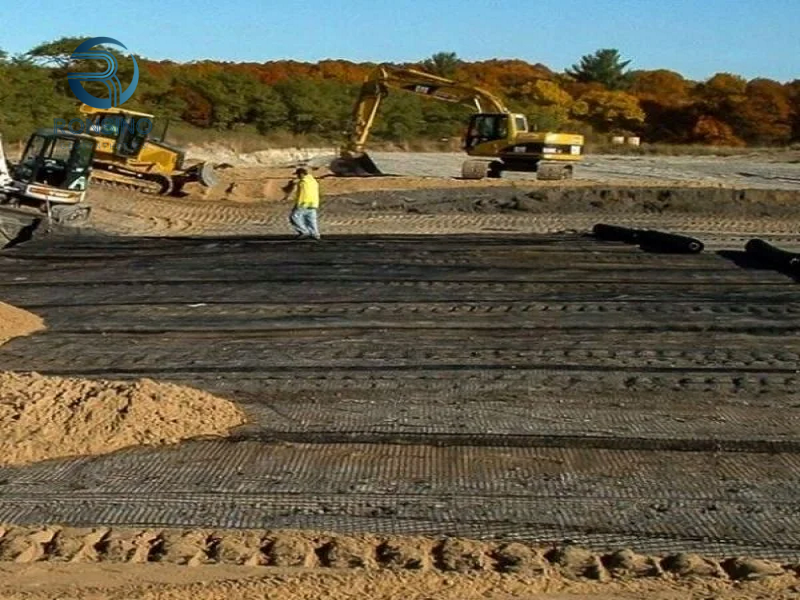
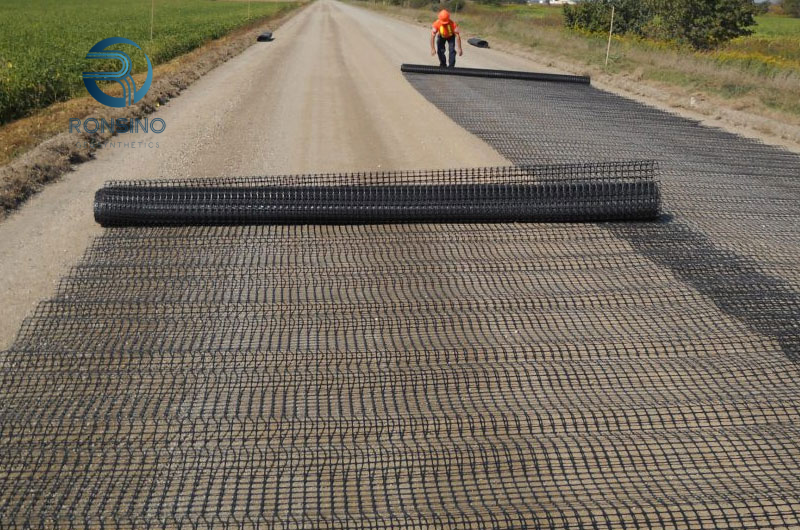
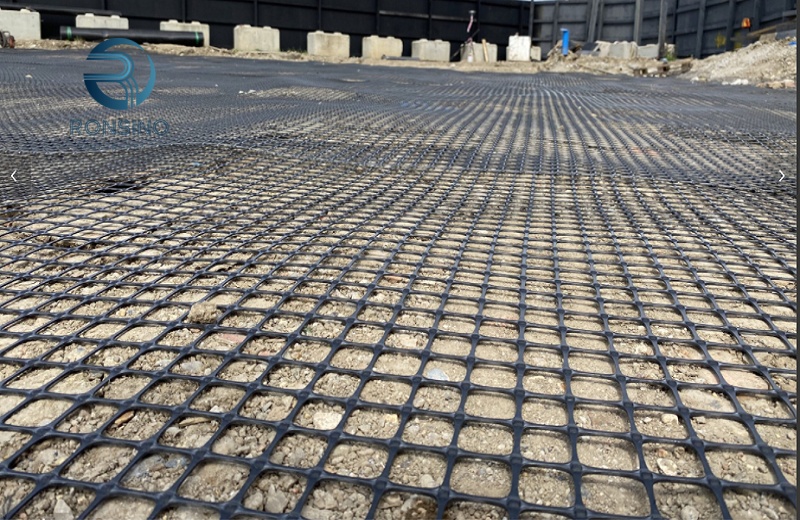
Bidirectional plastic geogrid is extensively employed in roadway and pavement engineering applications. It is positioned within various strata of soil or granular substrates to enhance the structural resilience and diminish uneven subsidence. Through the equitable dispersion of imposed stresses, it effectively mitigates surface depressions, fracturing, and distortion within the pavement system.
2.4 Foundation Improvement
In areas where weak or unstable soils are present, biaxial plastic geogrid can be used to improve the load-bearing capacity of the foundation. It provides reinforcement to the soil, allowing for the construction of foundations on problematic or compressible soils while minimizing settlement and ensuring structural integrity.
2.5 Landfill and Environmental Applications
Biaxial plastic geogrid finds widespread application in both landfill and environmental engineering domains. It serves to bolster the structural integrity of landfill embankments, mitigate soil erosion, and establish impermeable barriers designed to confine waste materials. Moreover, this material is integral to erosion mitigation and soil stabilization efforts within ecological rehabilitation and landscape enhancement initiatives.
3.What Should Consider When Installing Biaxial Plastic Geogrid?
When installing biaxial plastic geogrid, several factors should be considered to ensure proper installation and optimal performance. Here are some key considerations:
3.1 Site Preparation
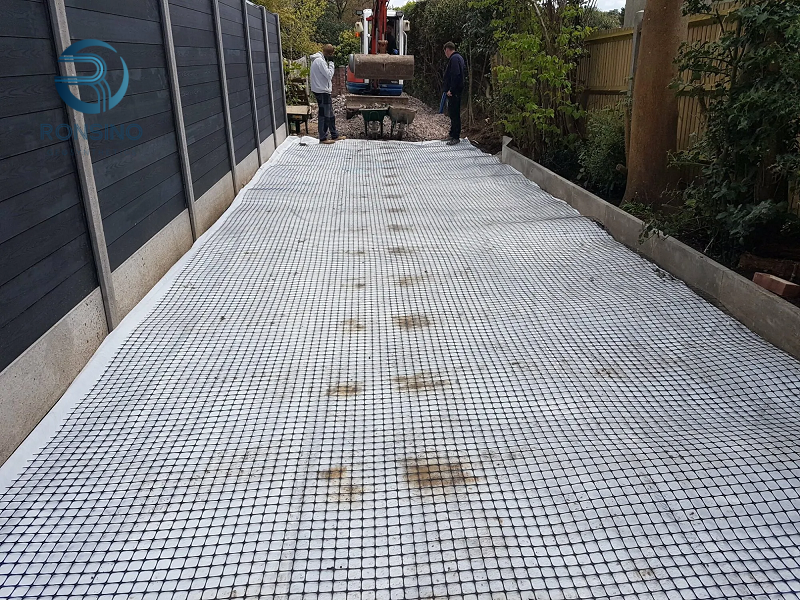
Before installing the geogrid, the site should be properly prepared. This includes clearing the area of any vegetation, debris, or sharp objects that could potentially damage the geogrid. The soil surface should be leveled and compacted to provide a stable base for the geogrid installation.
3.2 Design and Engineering
To effectively respond to project needs, a geogrid installation strategy needs to be carefully formulated: based on soil characteristics, expected stresses and performance standards, the appropriate grid type, tensile strength and laying location are selected, and geotechnical experts or certification personnel ensure that the design is consistent with project needs and specifications.
3.3 Geogrid Placement
Geogrid must be positioned strictly in compliance with both the engineering requirements and the supplier’s guidelines. Generally, it is embedded within the soil strata at the designated depth and alignment, guaranteeing adequate overlap and seamless integration between adjoining geogrid sections. Particular attention should be given to preventing any tension, bending, or mutilation of the material throughout the installation process.
3.4 Connection and Anchoring
3.5 Quality Control and Inspection
Regular quality control and inspection during installation are important to verify that the geogrid is being installed correctly and in accordance with the design specifications. This may involve checking for proper alignment, overlap, and anchoring, as well as monitoring for any signs of damage or defects.
4.Cases Study of Plastic Biaxial Geogrid Peru for Road Construction Project
Project name – Biaxial geogrid for Road Construction in Peru
Location – Peru
Materials used – geogrid and geocell
Our client based in Peru possessed a privately owned dock facility and sought a comprehensive refurbishment. This upgrade necessitated the integration of heavy-duty lifting cranes onto the pier structure, a task demanding substantial reinforcement of the underlying foundation. The client approached our team with inquiries regarding effective methodologies to enhance the load-bearing capacity of the subgrade while minimizing the risk of differential settlement.
To address client requirements effectively, we advocate for the combined application of biaxially oriented plastic geogrid and geocells, which significantly improves the ground's load-bearing capability. Our proposed solution includes a 20-20KN biaxially oriented geogrid and a 100-356mm geocell. The synergistic effect of these materials not only strengthens the roadbed's structural integrity but also extends its operational lifespan. Moreover, this approach offers exceptional cost efficiency.
5.Specification of Biaxial Plastic Geogrid Peru for Road Construction Project
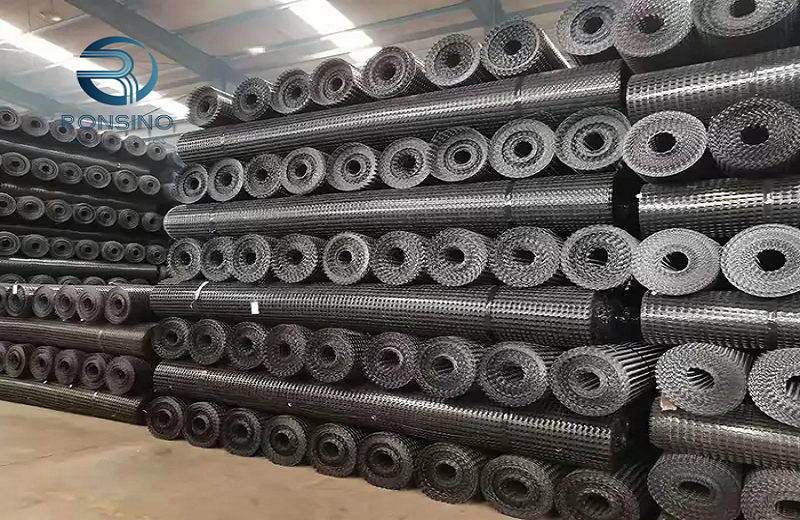
Total plastic geogrid fabric Quantity – 90,000 square meters
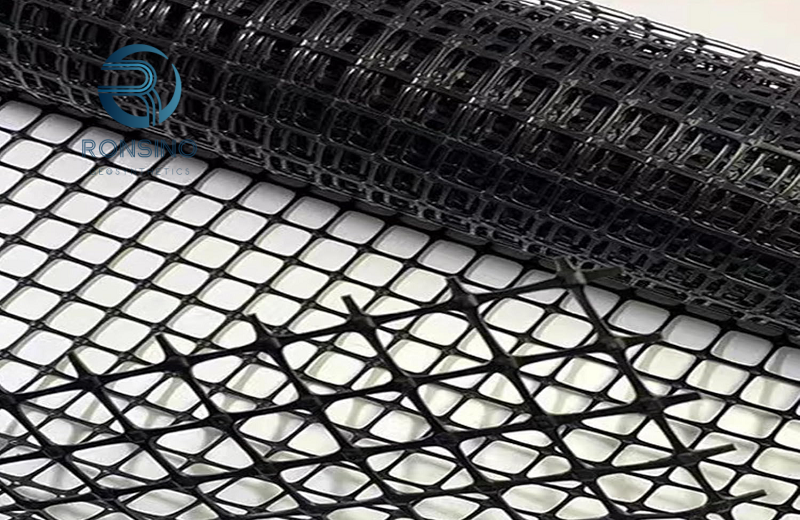
Specification of geogrid –Biaxial geogrid 40KN-40KN
Roll Size -3.95m x 50m
6.About RONSINO
As a professional manufacturer and distributor of geotextiles and geosynthetics, RONSINO focuses on the research and development, production and installation of geotechnical solutions, providing customized products for civil engineering, mining, environmental protection and aquaculture projects. The company continues to invest in cutting-edge technology, upgrade production facilities, and improve project execution capabilities. Its products are known for their excellent quality, high performance, long life, and high cost performance. With technical expertise, innovative engineering and unparalleled customer support, RONSINO is committed to providing geotechnical solutions that exceed customer expectations.