Biaxial Geogrid System for Urban Road Restoration Project in Australia
Case · 2025-12-02 · 0 views
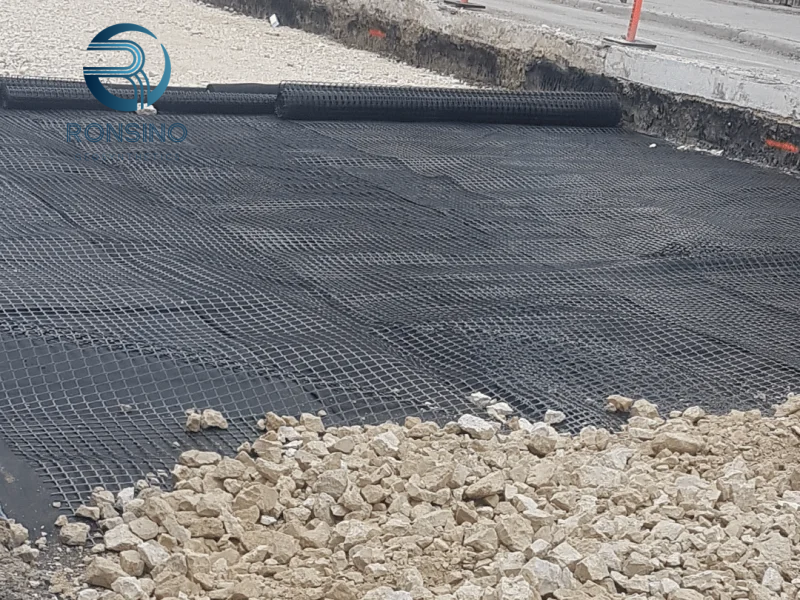
Biaxial HDPE geogrids are a key geosynthetic innovation, excelling in soil reinforcement and composite material enhancement. They come in four main types: plastic, steel-plastic composite, fiberglass-reinforced, and polyester warp-knitted. Biaxial variants use 2D/3D grid structures for superior load distribution. Made from PP or PVC via thermoplastic extrusion/molding, they are vital in construction (e.g., roads, slopes, retaining walls) as geotechnical HDPE geotextile grids.
HDPE geogrids enhance subgrade load-bearing capacity and accelerate construction in engineering projects. Their tensile strength reduces differential settlement in soft soils, stabilizing weak foundations like steel reinforces concrete.Key benefits include faster construction (less compaction), reduced maintenance (better stress distribution), and early project completion. They maintain stability under varying loads and prevent lateral spreading, crucial for pavement performance.Biaxial Geogrid System form a composite system with soil, resisting deformation across diverse conditions (clay to loose granular bases), making them vital for modern infrastructure.
Features of Geogrid
This material offers high tensile strength (25-110 kN/m) with minimal elongation, enhancing structural stability.It boasts superior durability, aging resistance, and corrosion protection for long-term reliability.Its optimized friction coefficient and interlocking grid improve soil bonding and reinforcement.It maintains dimensional stability under extreme loads and temperatures (-20°C to +120°C).Available in 4-6m widths, it’s lightweight, easy to install, and cost-effective.
When Geogrid Used?
HDPE geogrids reinforce roads and railways by stabilizing subgrades, reducing settlement, and distributing traffic loads. They enhance safety by bridging transitions between structures.Durable and stress-resistant, they efficiently manage loads when installed correctly. Essential for modern infrastructure, ongoing R&D improves their performance under varying conditions.
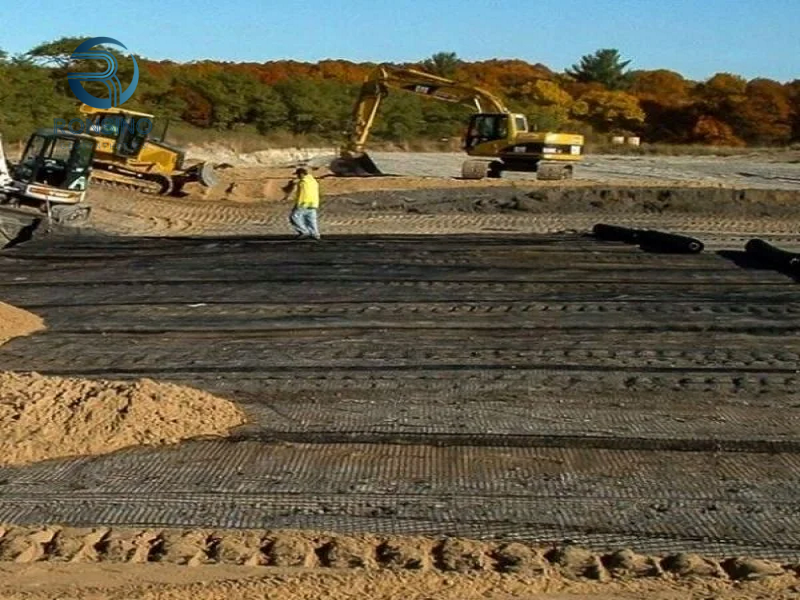
The geogrid enhances the stability of the roadbed through filler interlocking, forming an anti-settlement composite structure, and is laid in multiple layers to strengthen the terrain.The three-dimensional honeycomb system has both slope protection and vegetation functions, disperses the load, and is suitable for steep slopes.Geocells form a semi-rigid foundation to reduce settlement and increase bearing capacity, and are suitable for soft foundations or frost heave areas.When preventing erosion, the cell system resists hydraulic erosion and is filled with vegetation or stones to make it stable and environmentally friendly.
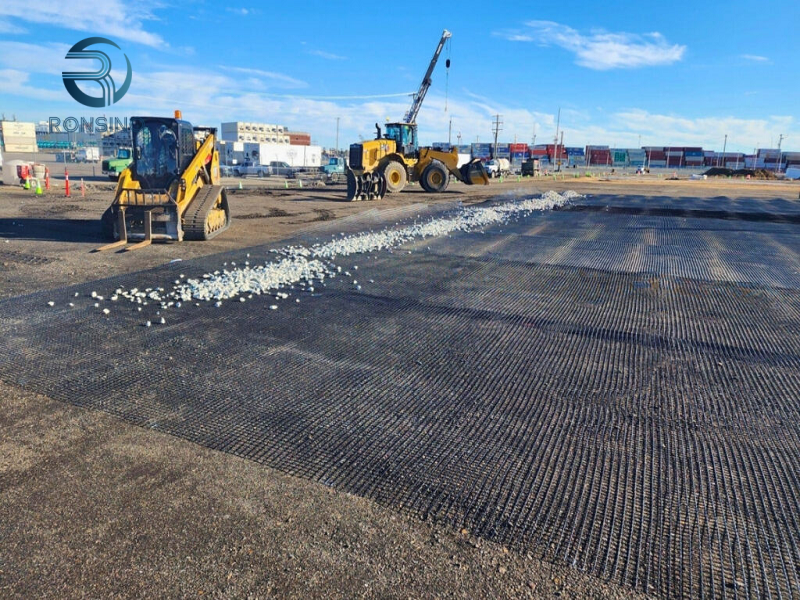
Geogrid use in parking lots or airport runways in commercial and industrial facilities
The application of geogrid in embankment and subgrade filling can increase its stability and reduce the occupied area.
Geogrid use for pavement reinforcement, so that mesh cloth and pavement materials are mixed together to disperse and transmit loads and prevent pavement cracks
Issue
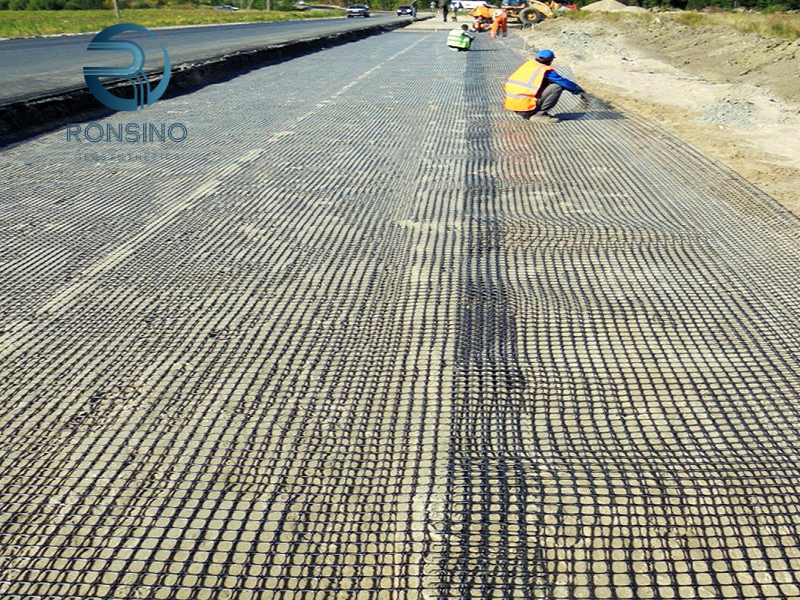
Heavy rainfall caused hydrostatic pressure buildup, triggering repeated slope failures that required constant upkeep. Due to budget constraints, authorities built small retaining walls over three years to curb localized erosion. However, these measures failed, resulting in a major collapse that destroyed 30 meters of Town Road, leaving just one lane open.
Solution
The construction firm proposed a 20-meter embankment stabilized with a Biaxial Geogrid System. After consultations, we recommended a bidirectional polymer geogrid and 7-meter timber piles for added stability.The geogrid met all technical requirements, with large rolls enabling efficient installation, cost savings, and maintained performance, ensuring structural and economic efficiency.
Case analysis of Biaxial Geogrid System for Urban Road Restoration Project in Australia
Product Name:Biaxial Geogrid
Total Quantity:56880 Square meters
Each roll Size:3.95mx50m
Geogrid Mechanism
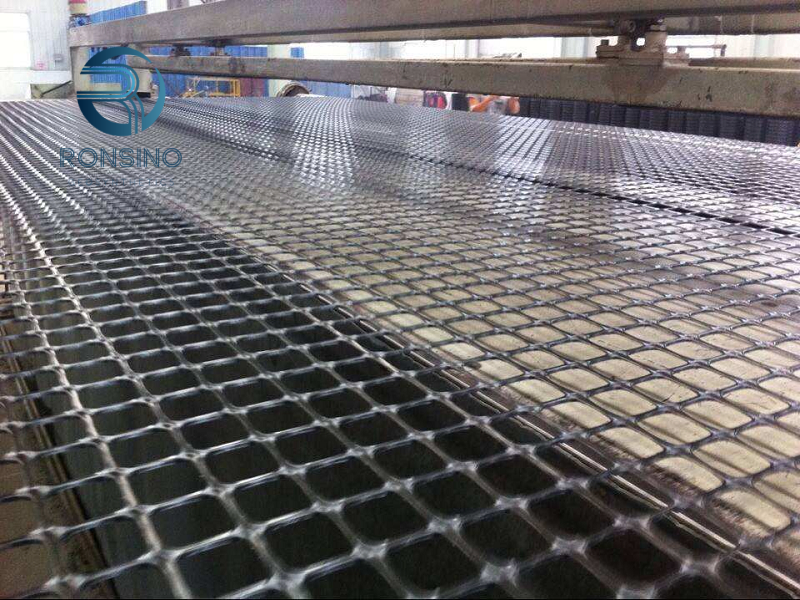
Geogrid reinforcement enhances soil stability through three mechanisms: soil-grid friction, particle interlocking in apertures, and transverse rib resistance. These restrict particle movement, improving load capacity beyond geotextiles.Friction arises from shear stress, while apertures enable interlocking. Transverse ribs act as mini retaining walls against lateral pressure.This multi-directional restraint strengthens shear resistance and stress distribution, outperforming planar materials in strain compatibility and load transfer under static and dynamic conditions.
What aspects should be paid special attention to in the construction of geogrid engineering?
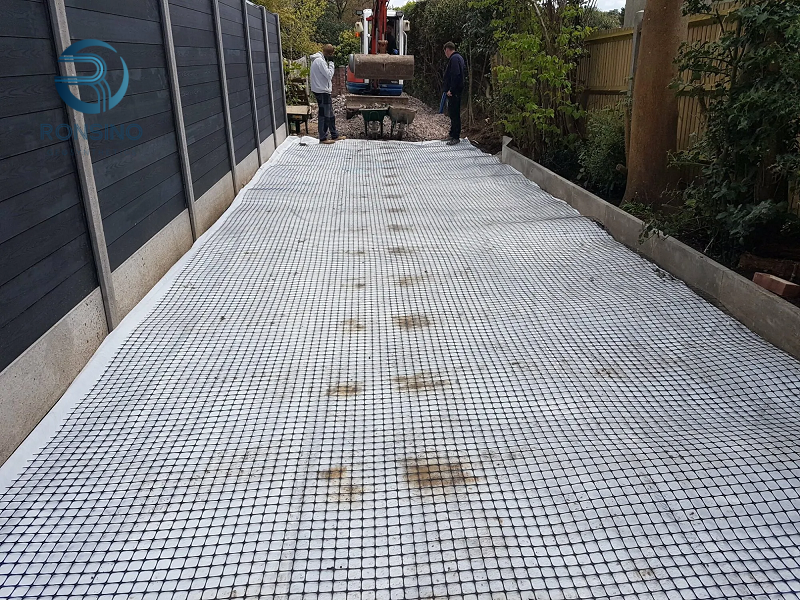
During the storage and installation of the Biaxial Geogrid System, it is essential to prevent prolonged exposure to sunlight, as this can adversely affect its material properties and overall efficacy. Vertical placement of the geogrid should be strictly avoided, while the overlapping sections must adhere precisely to the specified guidelines outlined in the construction drawings, ensuring all connections are securely fastened. In the case of reinforced walls, the overlapping segments should be positioned with a minimum overlap length of 20cm to guarantee structural integrity and optimal performance.
The structural integrity of biaxial geogrid assemblies must comply with design and construction specifications. Buckling, excessive stacking or deformation is strictly prohibited during construction to ensure that it is always maintained at optimal tension to achieve uniform stress distribution. When manually tensioned, the grating must fully fit the underlying surface and maintain even pressure to ensure a smooth surface. Special fasteners must be used for reliable fixing to prevent any accidental displacement.
Biaxial geogrid systems can effectively solve common problems in embankments in seismically active areas, thereby improving the seismic resilience and disaster prevention capabilities of transportation infrastructure. As a professional geogrid manufacturer, supplier and wholesaler, our products strictly comply with ASTM GRI-GM13 standards and hold multiple authoritative certifications such as CE, ISO9001, ISO14001 and ISO45001. Our application areas include geogrid retaining walls, road reinforcement, environmental engineering (such as landfill and wastewater treatment) and mining solutions (such as heap leach ponds and tailings management), and our superior quality has earned us 100% customer satisfaction.
AboutRONSINO
RONSINO specializes in R&D and production of various high-performance and cutting-edge technology geogrids, geomembranes, geotextiles and synthetic materials. Its products are exported to more than 36 countries and regions around the world. Our core innovative high-quality geogrid products include plastic two-way geogrids, fiberglass geogrids, plastic one-way geogrids, warp-knitted polyester geogrids, and steel-plastic geogrids. The high-quality synthetic materials of the RONSINO brand have passed many international authoritative certifications such as ISO9001, ISO14001, OHSAS18001, Soncap, SASO, BV, SGS and Intertek.
If you have any questions or inquiries, please fill in and submit the form to contact us.